
Smart Financial Planning
A world-class 985/211 education is highly affordable. By choosing regional hubs, students can live comfortably for as low as RM 1,500/month.
Cost Estimator
Select Study Level
Select Preferred City Tier
Estimated Annual Total
RM 33,800 - 58,500
¥52,000 - ¥90,000 RMB
Tuition Fees
Pre-U Foundation ranges from ¥15k-25k, while top 985/211 English Bachelor degrees average ¥25k-40k.
Accommodation
On-campus dorms cost ¥250–800/month. Regional cities offer high-quality housing at 50% less than Beijing or Shanghai.
Food & Living
Subsidized canteens (¥15-25/meal) allow for a comfortable lifestyle on RM 1,000 - 1,500 monthly.
Regional Cost Variation
| Tier Level | Monthly Living (Student) | Annual Living Estimate |
| Tier 1 (Global Hubs) | ¥3,100 – ¥5,400 | ¥37,200 – ¥64,800 |
| Tier 2 (Regional Hubs) | ¥2,300 – ¥3,800 | ¥27,600 – ¥45,600 |
| Tier 3 (Affordable Cap.) | ¥1,800 – ¥2,700 | ¥21,600 – ¥32,400 |
Global ROI Analysis
Compare the annual investment of a world-class education. ChinaUniMatch provides the most competitive ROI for Malaysian students in 2026.

China (Elite 985/211)
Annual Tuition + Living
RM 20,000 - 60,000
MAXIMUM VALUE1/4 the Cost of Western Paths
Hassle-Free Scholarship Access
World #1 Engineering & Tech
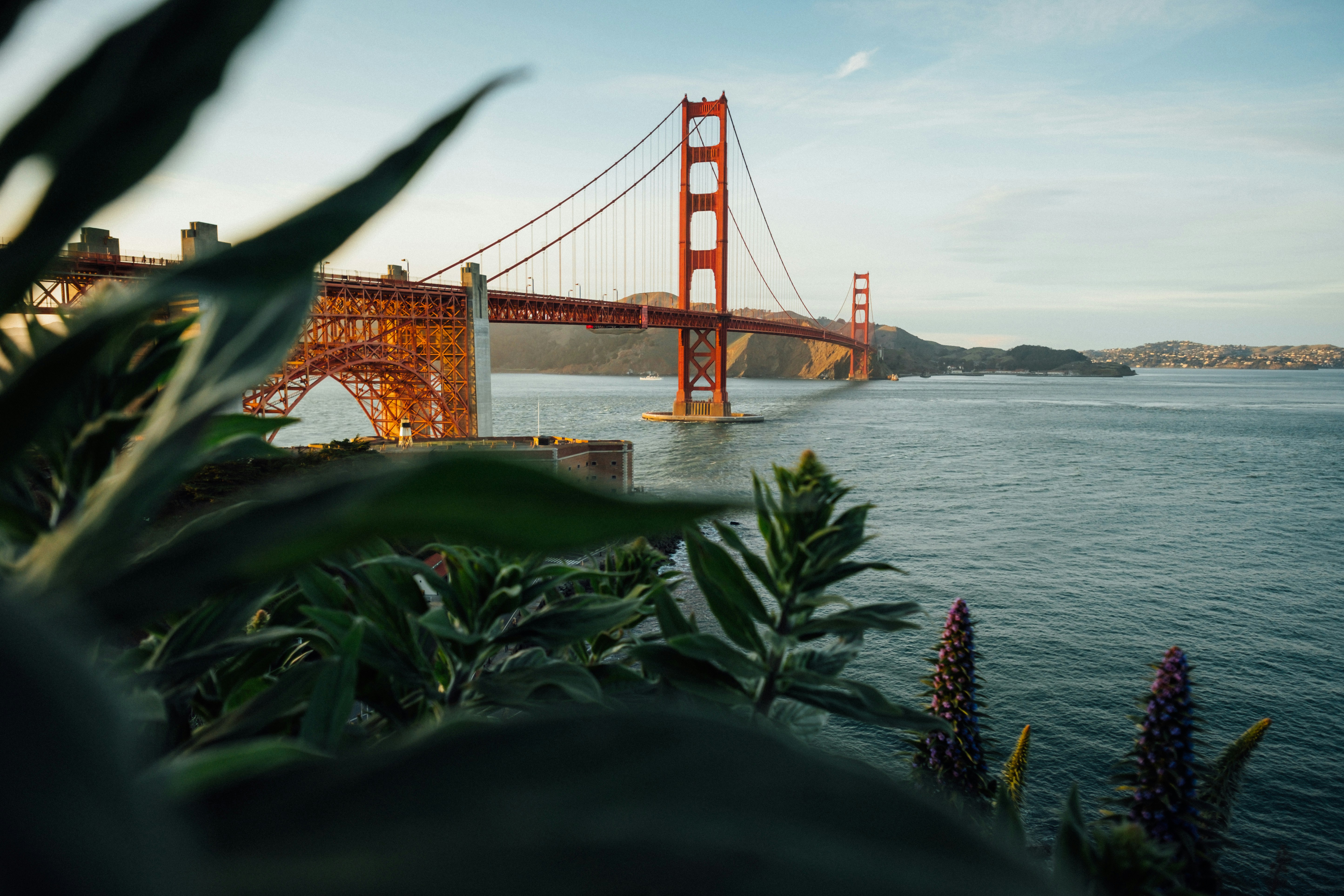
USA
Annual Tuition + Living
RM 220,000 - 360,000
Ivy League Prestige
Global Networking
High Starting Salaries
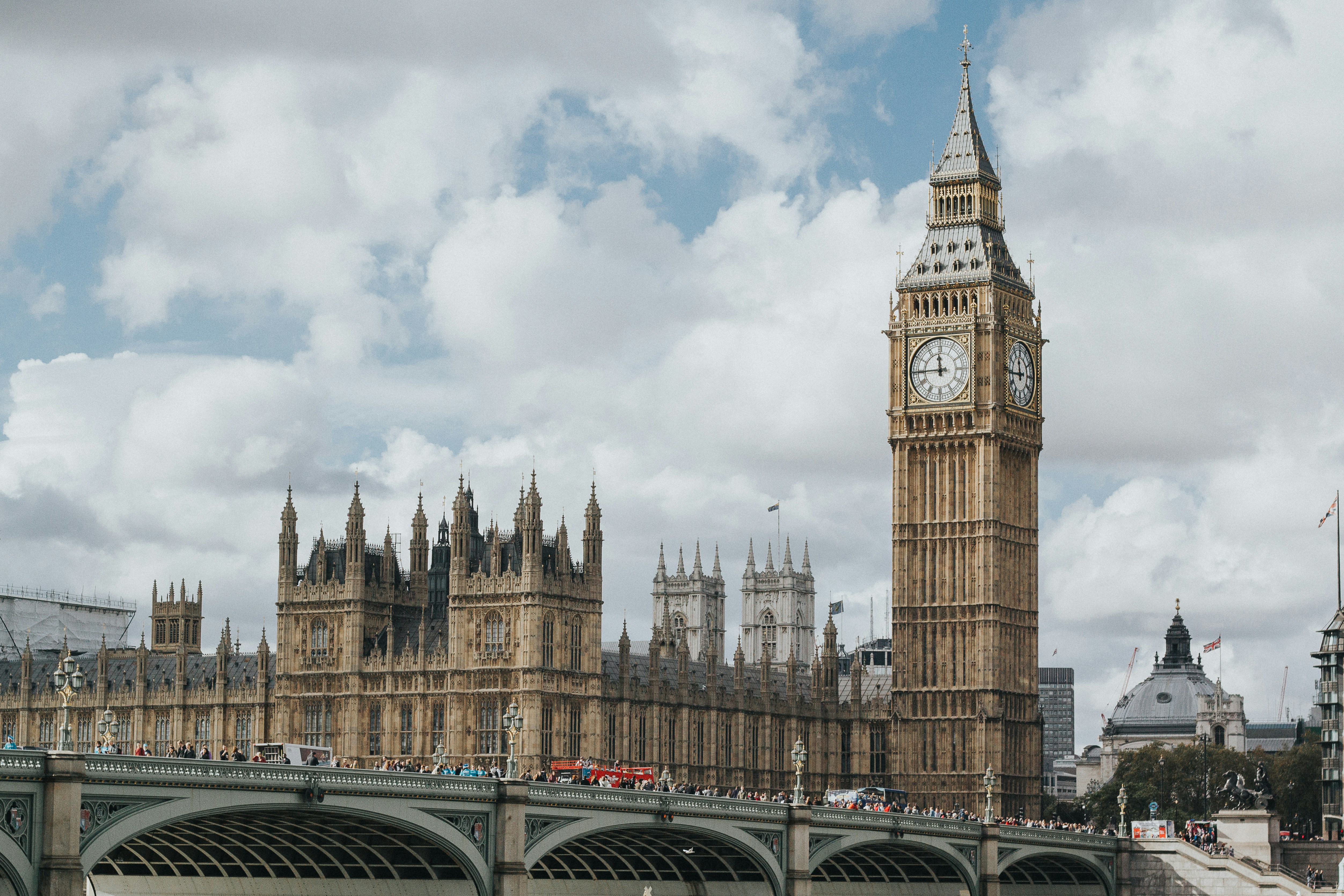
United Kingdom
Annual Tuition + Living
RM 110,000 - 280,000
Shorter Degree Duration
Historic Excellence
Post-Study Work Visa
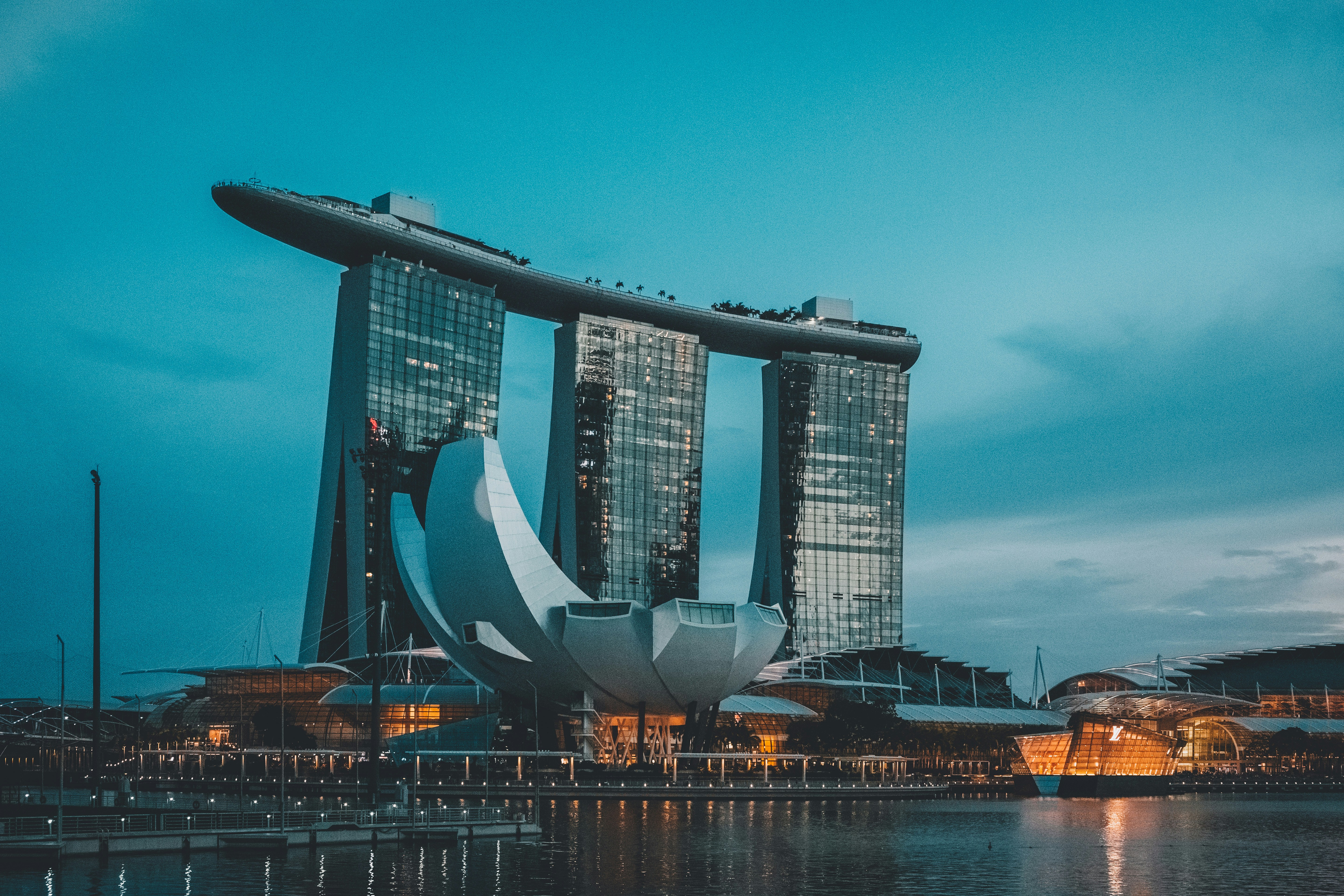
Singapore
Annual Tuition + Living
RM 120,000 - 340,000
Close to Home
World-Class Tech Hub
Multicultural Environment
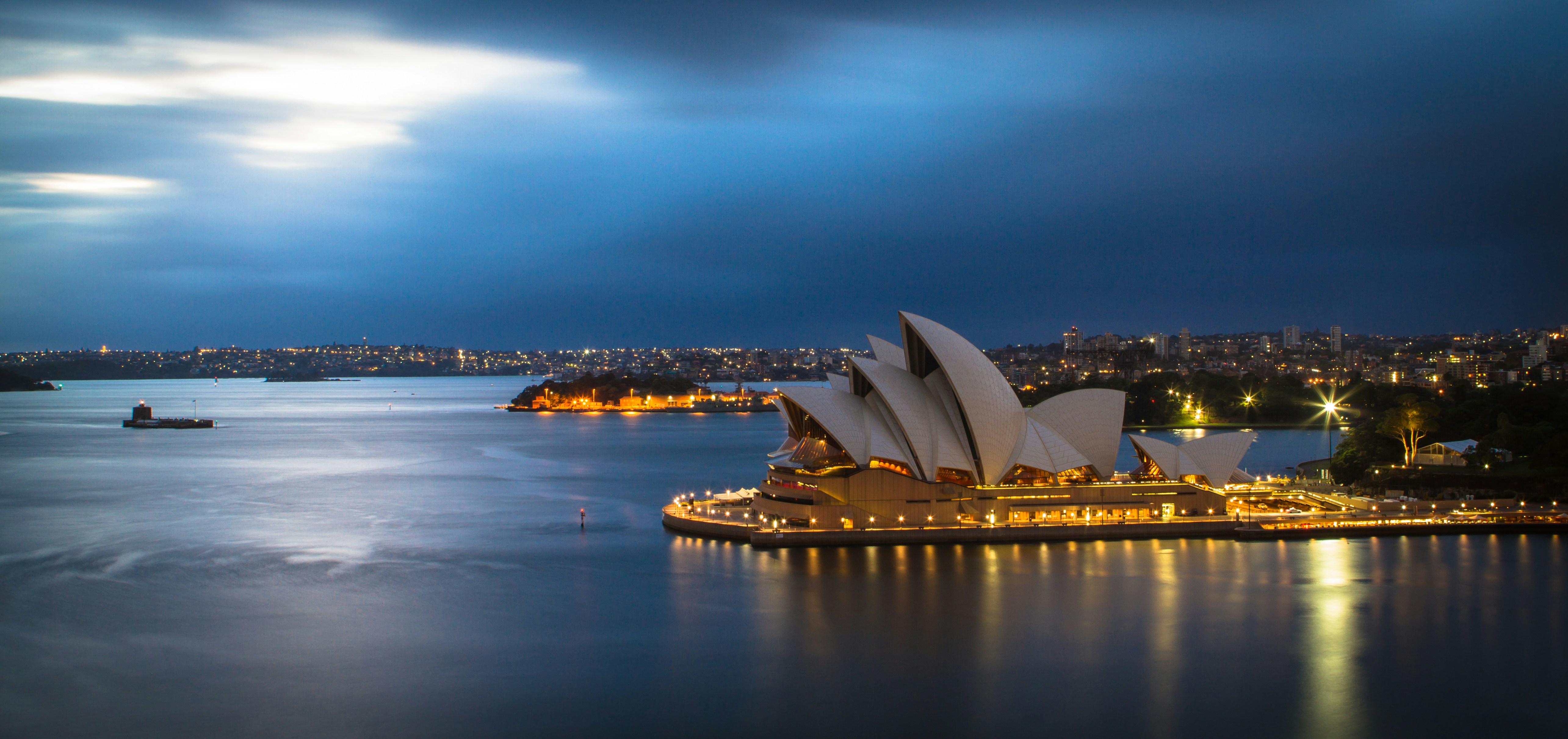
Australia
Annual Tuition + Living
RM 100,000 - 210,000
Quality of Life
Research Powerhouses
Flexible Pathways
Cost of Living FAQs
In Tier 1 cities (Beijing/Shanghai), expect RM 2,000–3,500. In Tier 2 cities (Hangzhou/Nanjing), RM 1,500–2,500 is sufficient for a comfortable life.
Generally, yes. While Tier 1 cities match KL prices, Tier 2 and 3 cities offer significantly lower costs for food and transport compared to the Klang Valley.
A standard meal (rice + 2-3 dishes) costs between 10–20 RMB (RM 6.50–13.00).
A casual meal at a mall or street restaurant costs about 30–60 RMB (RM 20–40) per person.
Luckin Coffee is around 9–15 RMB; premium bubble tea like Heytea or Nayuki is 15–25 RMB (RM 10–16).
Prices range from 5,000 to 12,000 RMB per year (RM 3,200–7,800) depending on whether it's a double or single room.
For dorms, electricity is usually around 50–100 RMB/month (RM 30–65). Water is often free or very cheap.
Subway rides start at 2–3 RMB (RM 1.30–2.00). Buses are usually a flat rate of 1–2 RMB.
A 2-hour trip (e.g., Shanghai to Hangzhou) is around 70–90 RMB (RM 45–60).
For 30GB–50GB of data, expect to pay 30–60 RMB/month (RM 20–40).
Significantly. There are no international shipping costs, and many daily items cost half of what they do on Shopee/Lazada in Malaysia.
Standard insurance for international students is 800 RMB/year (RM 520).
Yes. The 2,500–3,000 RMB stipend covers food, transport, and leisure comfortably in most cities, leaving some for savings.
Standard tickets are 30–50 RMB (RM 20–33) depending on the cinema tier.
On-campus gyms are very cheap (100–300 RMB/semester). Off-campus commercial gyms are 200–400 RMB/month.
Use Wise or BigPay for lower exchange rates compared to traditional bank wire transfers.
Rarely. 99% of transactions are done via Alipay or WeChat Pay. It is recommended to keep only 200–500 RMB cash for extreme emergencies.
A good down jacket from a brand like Bosideng or Uniqlo costs 400–800 RMB (RM 260–520).
Yes. Expect one-time costs for a physical exam (400 RMB), residence permit (400 RMB), and book fees (300 RMB).
Dorm laundry machines usually cost 3–5 RMB (RM 2–3) per load.
You can use shared bikes (Meituan/Hello) for about 15–25 RMB/month for a pass.
Including transport and accommodation, RM 500–800 is usually enough for a short trip to a nearby city.
A large 18L water barrel for your dorm room costs 15–25 RMB (RM 10–16).
Registration at a public hospital is only 5–20 RMB; a total visit including medicine is often under 100 RMB (RM 65).
A new e-scooter costs 1,500–3,000 RMB (RM 1k–2k). It saves transport money long-term but check your campus rules first.
Still have questions?